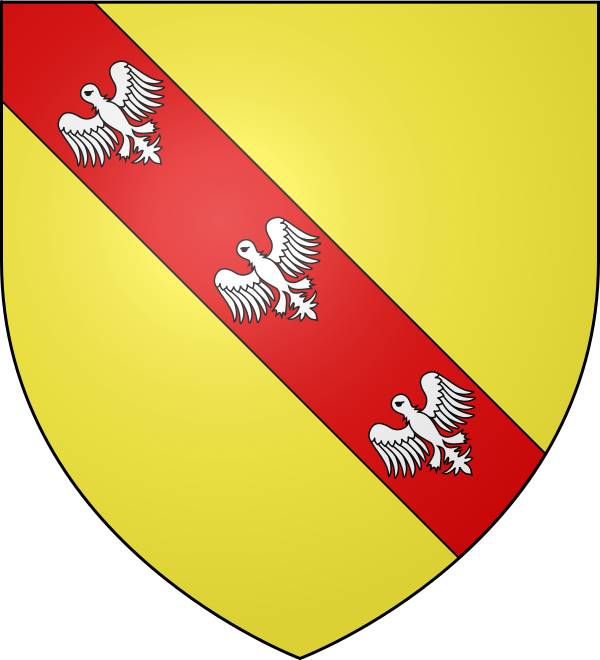
Many
- Many
-

Cet article a pour sujet la commune française nommé Many. Pour une définition du mot « many », voir l’article
many du
Wiktionnaire.
49° 00′ 12″ N 6° 31′ 21″ E / 49.0033, 6.5225
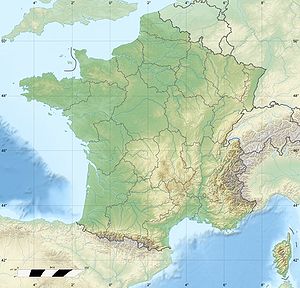
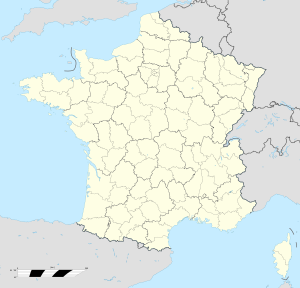
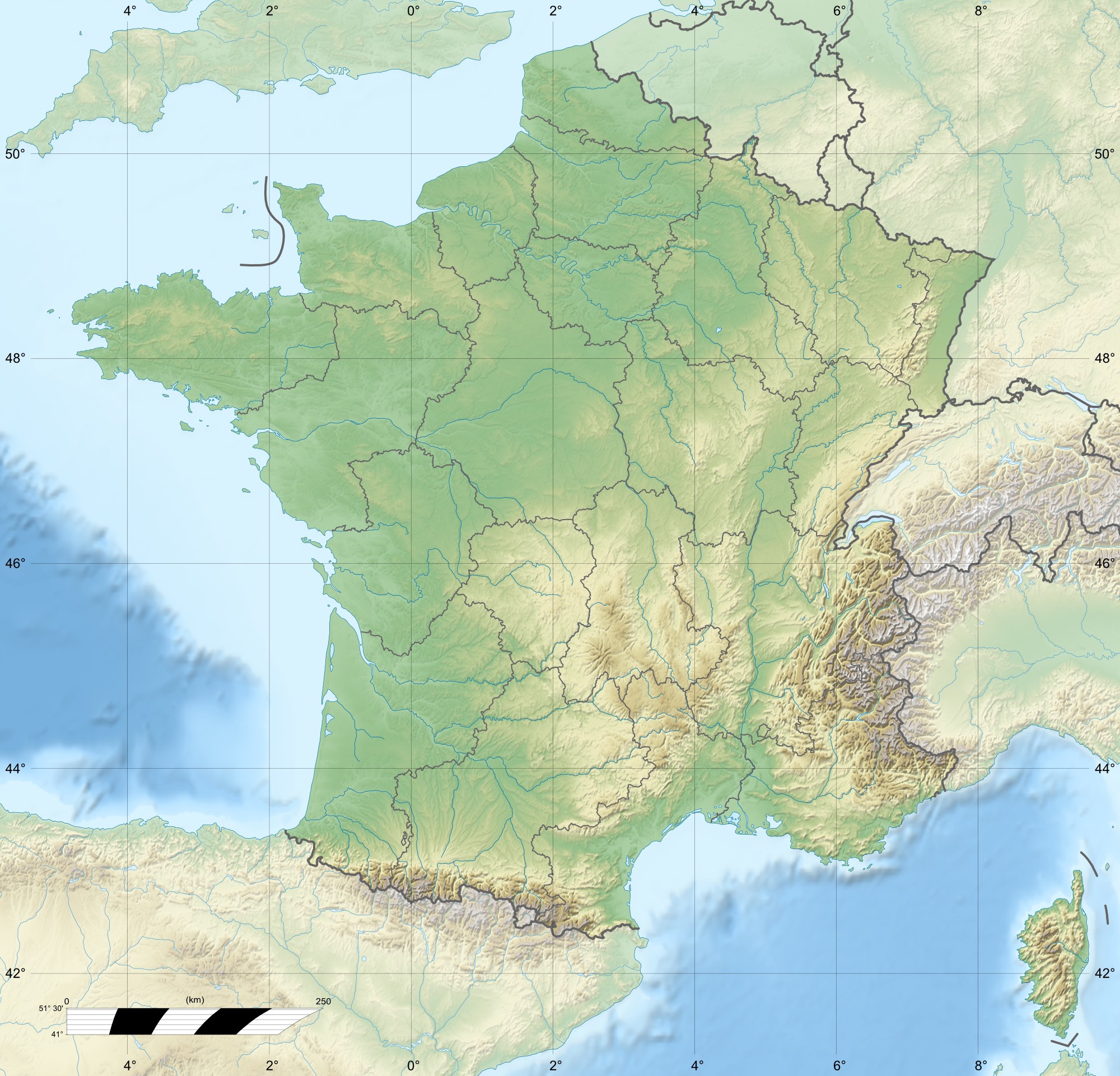
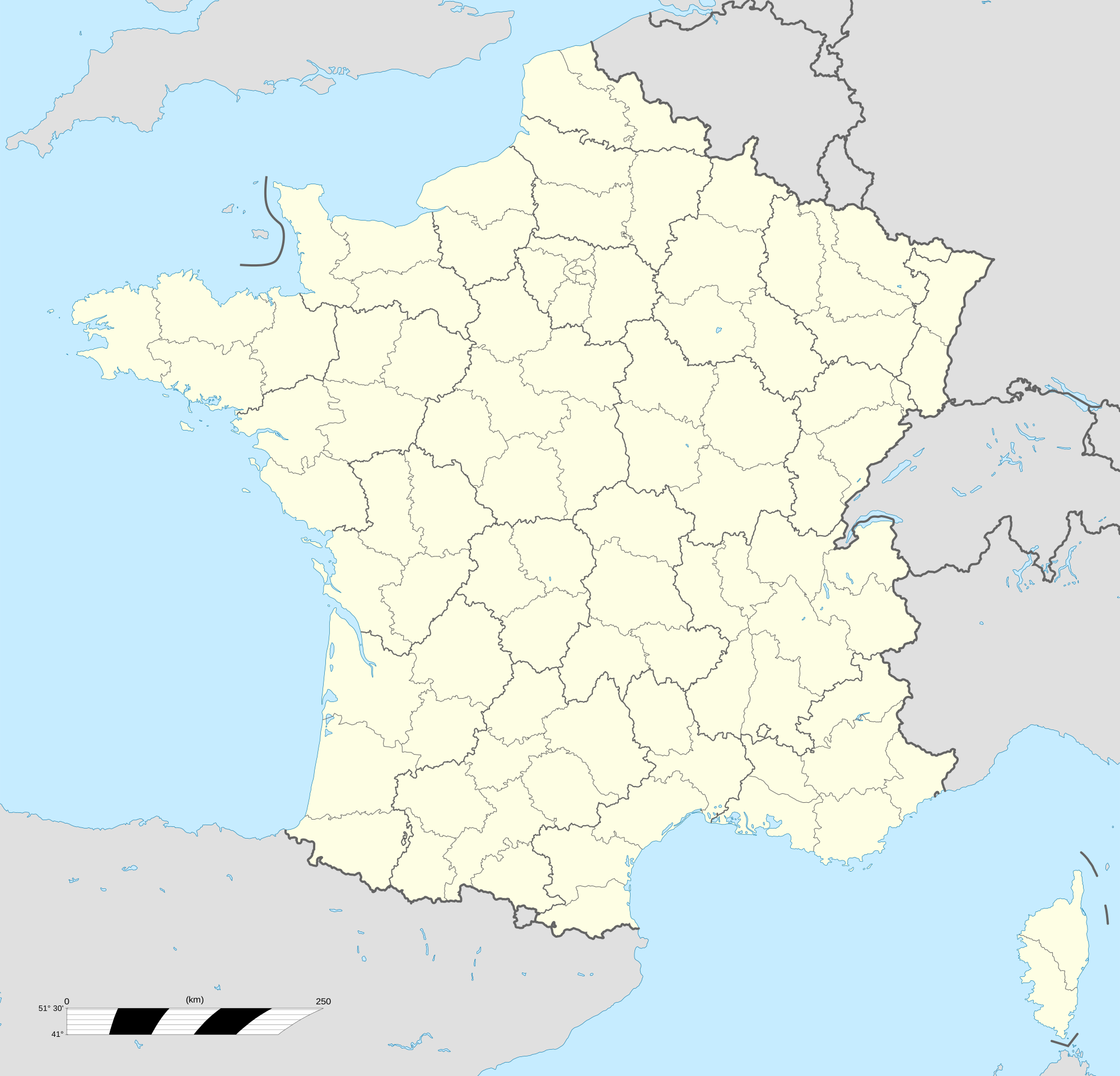
Many est une commune française, située dans le département de la Moselle et le bassin de vie de la Moselle-est.
Géographie
Histoire
- Dépendait de l'ancienne province de Lorraine.
Toponymie
Administration
Liste des maires successifs
| Période |
Identité |
Étiquette |
Qualité |
| mars 1983 |
mars 1995 |
Roger Hesling |
|
|
| mars 1995 |
janvier 2006 |
Denis Poinsignon |
|
|
| janvier 2006 |
mars 2008 |
Gérard François |
|
|
| mars 2008 |
|
Jean-Claude Dibling |
|
|
| Toutes les données ne sont pas encore connues. |
Démographie
Lieux et monuments
- Passage d'une voie romaine.
Édifices religieux
Personnalités liées à la commune
Voir aussi
Notes et références
Liens externes
Wikimedia Foundation.
2010.
Contenu soumis à la licence CC-BY-SA. Source : Article Many de Wikipédia en français (auteurs)
Regardez d'autres dictionnaires:
Many — Ma ny, a. & pron. Note: [It has no variation to express degrees of comparison; more and most, which are used for the comparative and superlative degrees, are from a different root.] [OE. mani, moni, AS. manig, m[ae]nig, monig; akin to D. menig,… … The Collaborative International Dictionary of English
Many a — Many Ma ny, a. & pron. Note: [It has no variation to express degrees of comparison; more and most, which are used for the comparative and superlative degrees, are from a different root.] [OE. mani, moni, AS. manig, m[ae]nig, monig; akin to D.… … The Collaborative International Dictionary of English
Many — Ma ny, n. [AS. menigeo, menigo, menio, multitude; akin to G. menge, OHG. manag[=i], menig[=i], Goth. managei. See {Many}, a.] 1. The populace; the common people; the majority of people, or of a community. [1913 Webster] After him the rascal many… … The Collaborative International Dictionary of English
Many — may refer to: plural A quantifier that can be used with count nouns often preceded by as or too or so or that ; amounting to a large but indefinite number; many temptations ; a good many ; many directions ; more than a few, more than several… … Wikipedia
Mány — Mány … Wikipedia
Many — Ma ny, n. [See {Meine}, {Mansion}.] A retinue of servants; a household. [Obs.] Chaucer. [1913 Webster] … The Collaborative International Dictionary of English
many — I. adjective (more; most) Etymology: Middle English, from Old English manig; akin to Old High German manag many, Old Church Slavic mŭnogŭ much Date: before 12th century 1. consisting of or amounting to a large but indefinite number < worked for… … New Collegiate Dictionary
many — See: GOOD MANY or GREAT MANY, IN SO MANY WORDS, SO MANY … Dictionary of American idioms
many is me — There are a great number of (persons or things); many are the (persons or things). Used at the beginning of a sentence with a singular noun. * /Many is the man I have lent money to./ * /Many was the time I ate at that restaurant./ Compare: MANY A … Dictionary of American idioms
many — See: GOOD MANY or GREAT MANY, IN SO MANY WORDS, SO MANY … Dictionary of American idioms
many is me — There are a great number of (persons or things); many are the (persons or things). Used at the beginning of a sentence with a singular noun. * /Many is the man I have lent money to./ * /Many was the time I ate at that restaurant./ Compare: MANY A … Dictionary of American idioms